

“For years, potatoes, cigarette butts and candles, as well as wine bottles and glasses, have haunted my photographic works, which deal in various groups of works with the subject of food and stimulants. Because of my daily confrontation with them, I have declared these essentially banal things to be my signs. In an unintentional, spontaneous way, I have tried with simple means to explore the autonomy of things in their strange relationships to one another and to space. In a calm, almost meditative working atmosphere, I have given things the opportunity to reveal their second face. In this way our knowledge of them, and the familiar nature of their being ready-to-hand, is called into question.”
(Gerhard Vormwald, Paris, June 1995)
The inescapable magic of things
As soon as human beings approach the diffuse world of things and seek to assert themselves in it, they do so by creating order. In what they gather around themselves they see primarily a reflection of themselves. Indeed, they humanise things by relating them to themselves, by stamping them with their mark and examining them for what they are for them. In doing so they grasp neither the distant nature of the other or the foreign nor the thing in itself, but only the possibilities contained or laid out in it that serve or help them.
As long as things are at hand, they seem familiar, and because the unfamiliar inspires fear or disgust, human beings transfer things into their cosmos determined by purposes. There they assign them either a use value or an exchange value. As soon as things seem to conform to them and human beings no longer experience them as something detached and independent, they believe they triumph over them and possess power. The relationships they form with things confirm them in their sovereignty.
But what happens when things slip away from them, are no longer there for them, but turn away or flee from them, when the subject-object relationship is terminated or void? What becomes of things when they no longer serve a purpose and are only what they are in themselves? It is this autonomy of things, which escapes human beings, that drives the photographer and artist Gerhard Vormwald to ever new pictures and ever different stagings. Basically he is someone who, experimenting with things, watches how they behave under ever new conditions, what they say about themselves. Their other semantics is the subject of his observation.
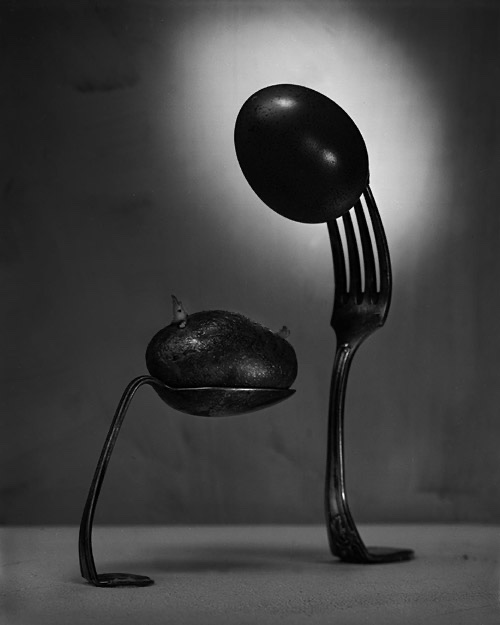
He does not make use of objects that have anything special about them. On the contrary: it is the utterly banal that he pursues and declares to be a sign by acting on it and placing it in contexts that lend things a strange aura. Whether he bends a spoon so that it mutates into a potato stand, spears an egg on a fork, or lets potatoes circle a burning candle so that something magical wafts around the scene.
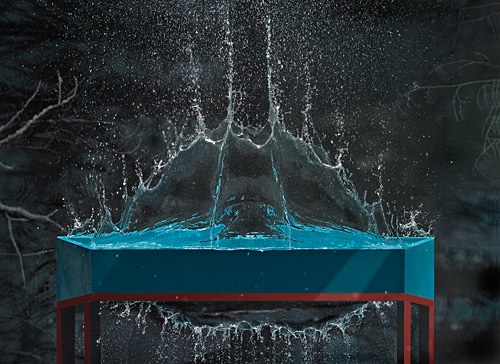
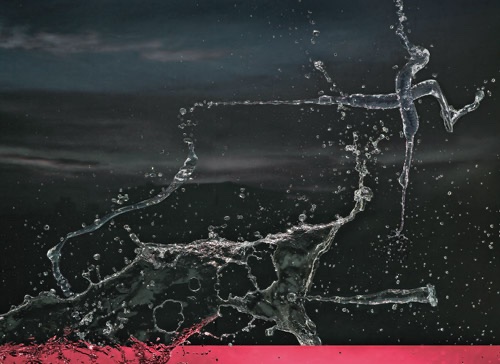
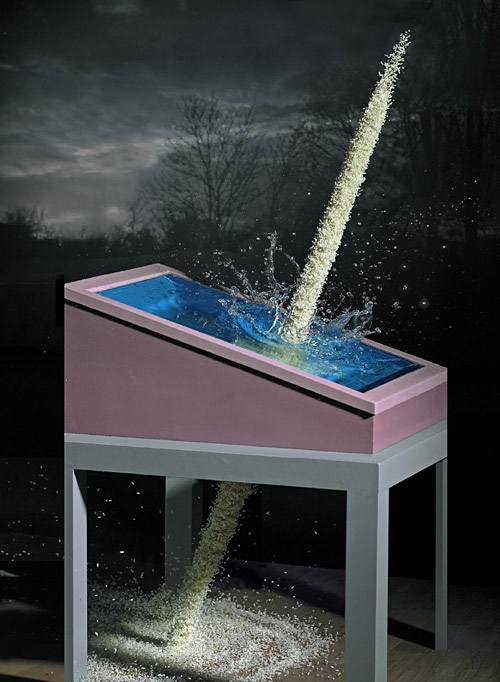
Whether he builds a box through whose circular window a ray of light falls on a heap of cigarette butts that looks like a sloping room. Whether he builds machines to make fast-moving objects, liquids or other materials float in space in an absurd way that defies logic. Whether he stages a still life with rice frozen at turbo speed. Whether he turns assorted vegetables into a flying object rising from a hole of light. Whether he assembles various cigarette packets into a bizarre landscape in front of a blue sky with butterflies, or stacks chairs into pyramids – the things develop not only an abstruse, magical or peculiar life of their own. To us viewers it feels as if we were entering a dream world far from humanity. Here all laws seem suspended, an unconventional seeing without bounds seems possible. In the face of the endless metamorphoses of things that have become surreal-looking bearers of symbols and meanings, instrumental reason reaches limits that the eye crosses. It is not the death of things that is declared here, but their uncanniness that is proclaimed. Thanks to the magic of an artist who has broken out of well-worn tracks, the thing gains density.