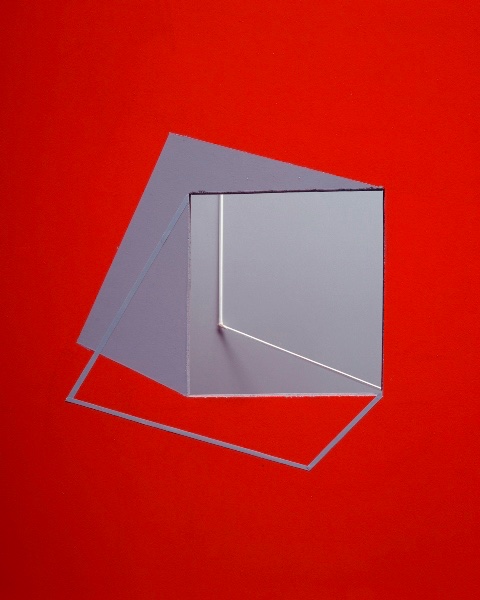
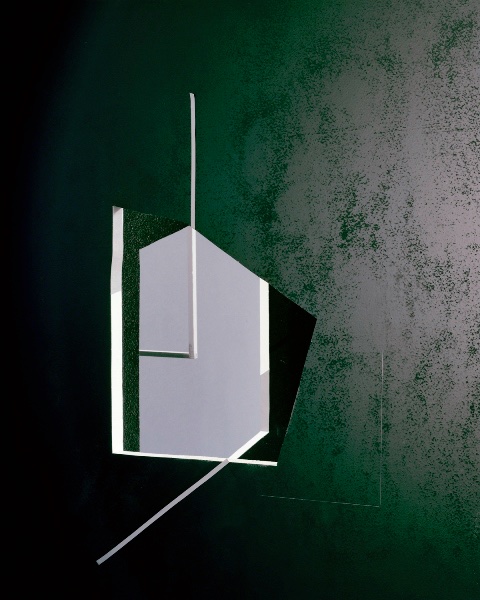
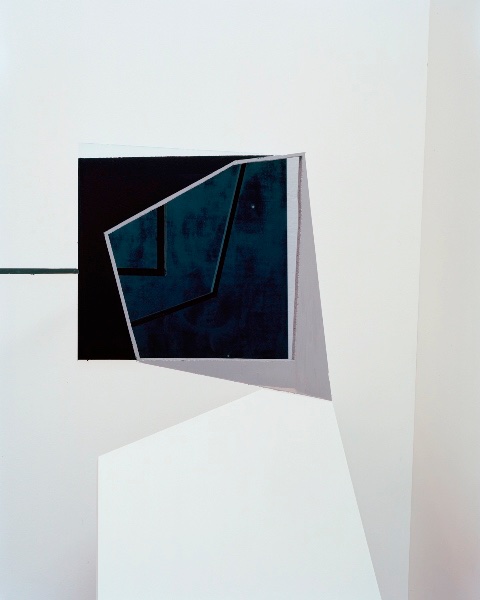
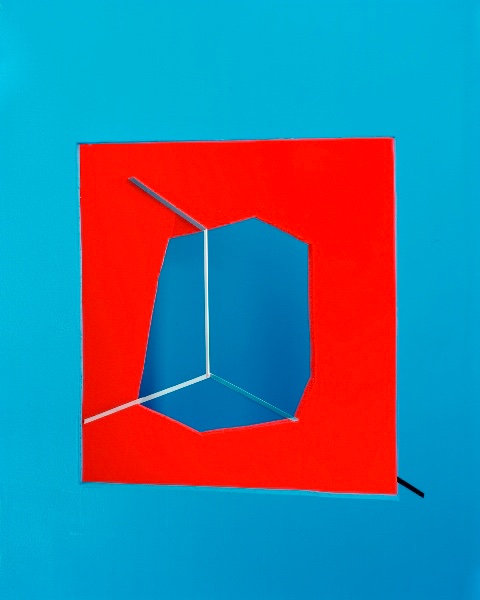
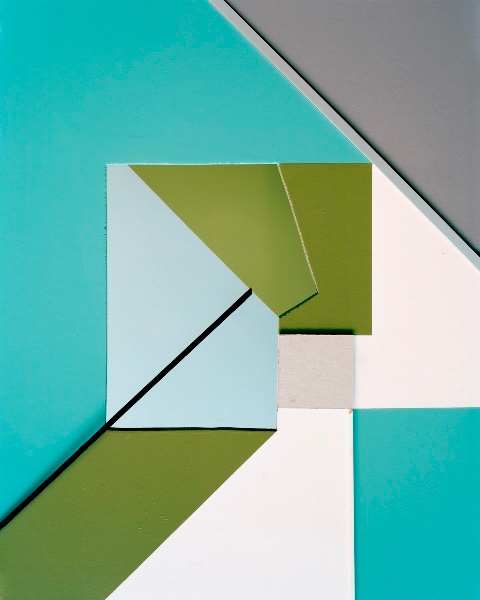
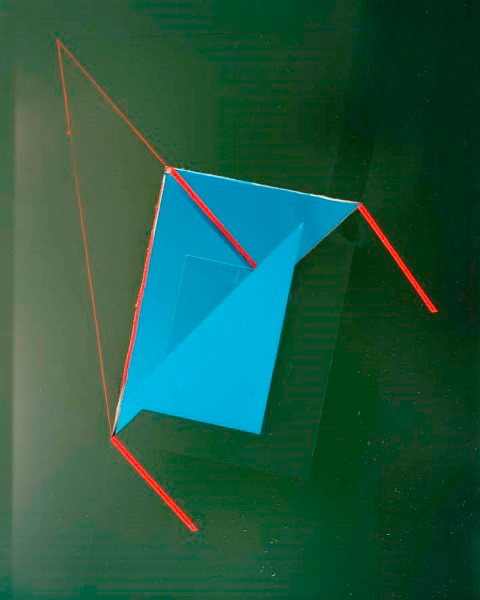
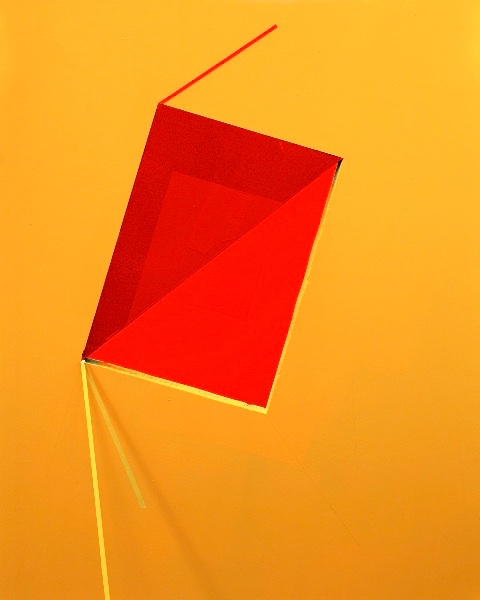
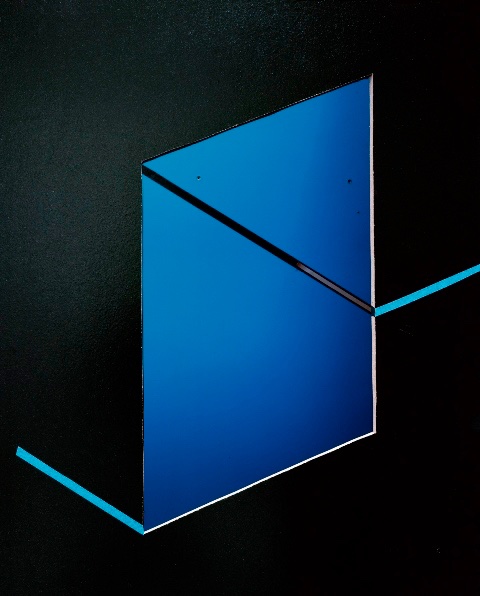
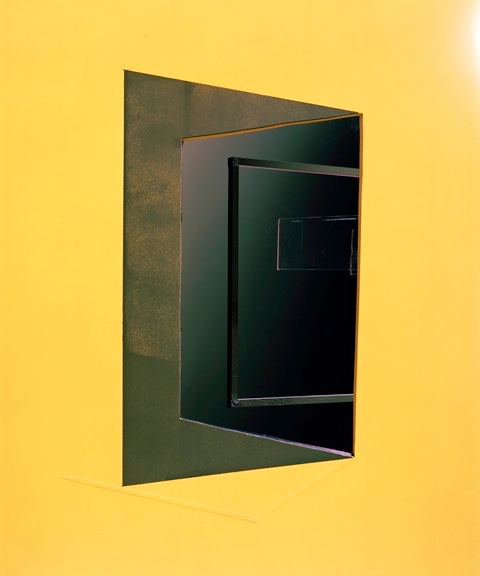
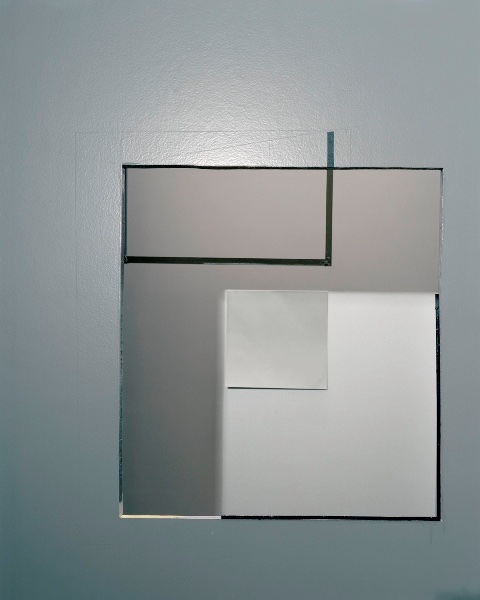
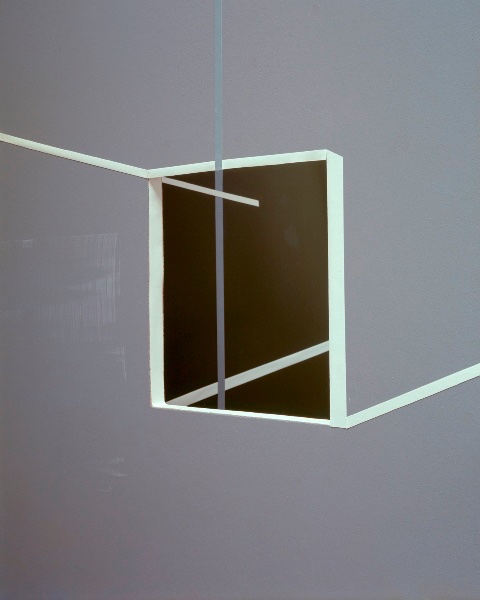
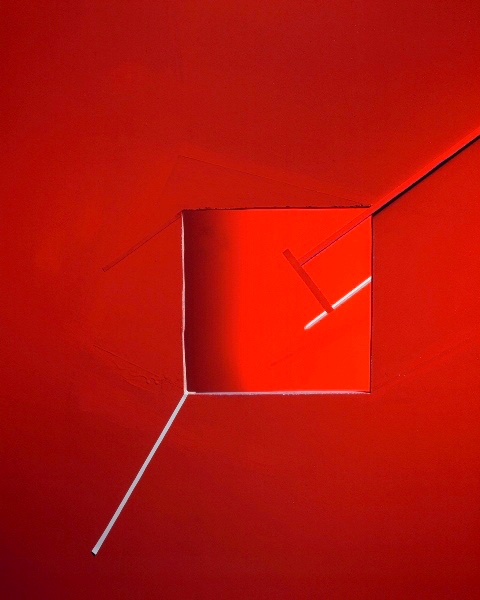
What do we see when we look at photography? The fascination of photography lies in its particular relationship to reality. To the extent that the concept of reality changes, photography changes too. Tamara Lorenz belongs to a generation for whom objectivity in the sense of a correspondence between reality and image has become impossible.
The creative process as practised by Tamara Lorenz recalls scientific or philosophical experimental set-ups. In her expanded understanding of art, photography and sculpture enter into close, mutually enriching relationships, but architecture, film and music also play a key role as categories of design.
In 2005, under the umbrella term “Pragmatische Prinzipien” (Pragmatic Principles), Lorenz carried out three successive series of experiments: the “Simulators”, the “Phenotypes” and the “Tipis”. In other bodies of work with titles such as “Höhere Mächte” (Higher Powers, 2007), “Gewaltenteilung” (Separation of Powers, 2007) or “Axiome” (Axioms, 2009), connections are likewise already made at the level of language.
How can one represent an observation that does not claim to depict an independently given reality? The constructions Tamara Lorenz depicts in her analogue photographs are models – models whose existence serves solely the ontogenesis of the capacities to perceive, think and remember. Take, for example, the construction of wooden battens, boards and rods built in the corner of a room, as in the “Simulators”, which is photographed from two different viewpoints so that the viewer is torn between two equally true pictures.
Photography generates its own media reality, analogous to the paradox of reality.
Text: Sabine Elsa Müller