The public image of the United States of America fluctuates. It is populated by trigger-happy cowboys and cool sheriffs, buxom pin-up girls and ostentatious billionaires, torturers and top scientists, brave journalists and religious zealots, soaring skyscrapers and sprawling suburbia – the list could go on endlessly. Much of it has hardened into cliché. Yet American mass culture, from Coca-Cola to jeans, from pop to burgers, has long since conquered the world, including those cultures that see the USA as the enemy par excellence. It is the global culture of postmodernism. The country nevertheless remains a puzzle; even its friends are sometimes irritated.
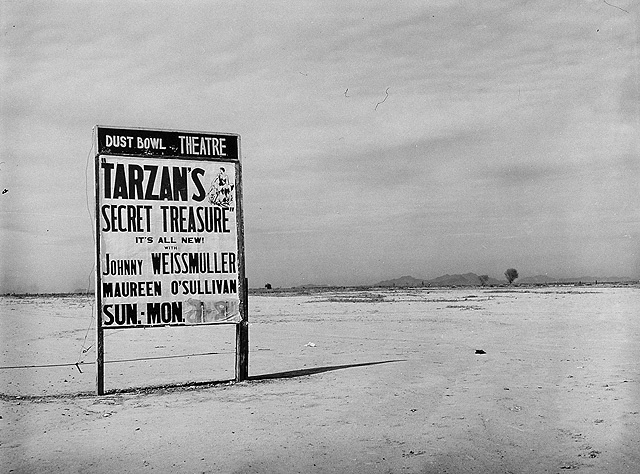
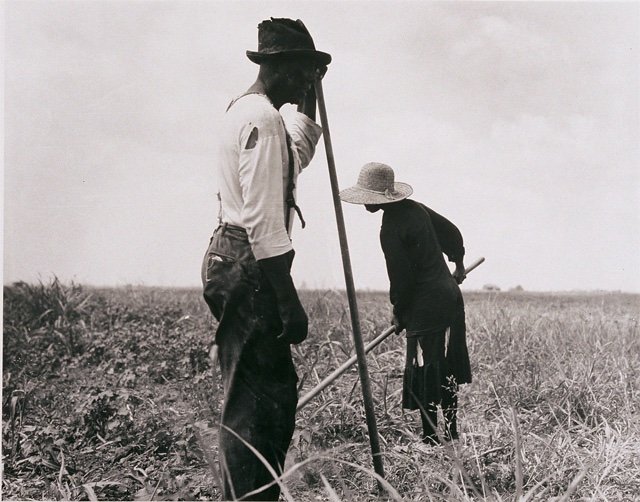
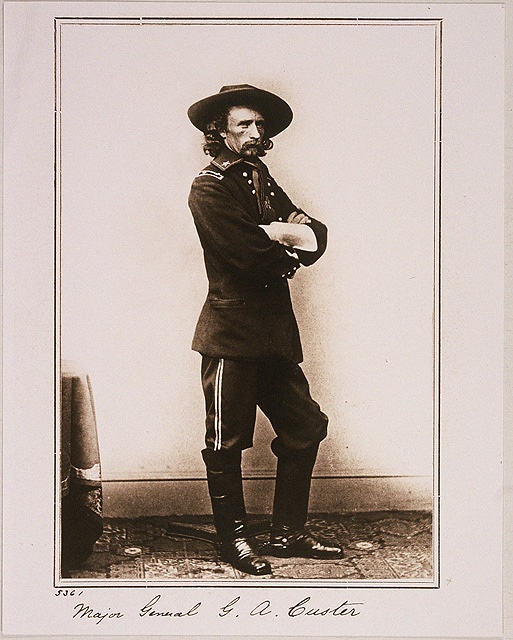
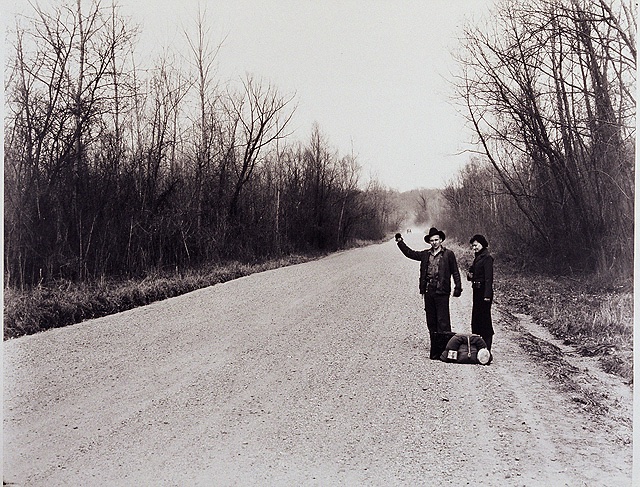
But how do Americans see themselves? Does the image they project of themselves match the one they create in the eyes of others? An exhibition by the Gesellschaft Photo Archiv at the Forum für Fotografie in Cologne with the telling title “Profiling America. American Photography 1860–1960” sets out to explore this question. It contains around 90 photographs by important American photographers, from Mathew B. Brady to Walker Evans, from Alexander Gardner to Margaret Bourke-White, from Frances Benjamin Johnston to Dorothea Lange, from Ben Shahn to Irving Penn, from Arthur Rothstein to W. Eugene Smith, from Jacob Riis to Gordon Parks and several other photographers.
Of course the exhibition cannot answer the question of America’s self-image exhaustively, but it does provide some significant insights into the image of a nation that almost broke apart in a civil war and later proved itself as a melting pot of the most diverse cultures and ethnicities – a nation, moreover, whose myth found its valid form not in literature but in photography and film. The dominant themes of the exhibition are the Civil War, the Great Depression following the world economic crisis, the World War and the post-war period – in short, the period of history in which the USA established itself as the decisive world power. America’s views of itself set its tone, and documentary intent its aesthetic focus.
All the pictures come from the collection of the Gesellschaft Photo Archiv e. V. in Bonn. It was founded in 1989 to promote the photographic activities of the Rheinisches Landesmuseum Bonn. For some years the society has also been known at the Forum für Fotografie in Cologne for numerous events on various questions of photography, including the durability of colour photography and the artistic claims of the medium. Its collection contains some 8,000 to 10,000 paper prints and 6,000 negatives, not least the estate of Liselotte Strelow.
All the motifs in the exhibition “Profiling America” were part of earlier exhibitions in Germany and abroad. The pictures of the Civil War, of child labour and of the situation of migrant workers were shown at documenta 6 – the famous media documenta of 1977. The other pictures were on view in the monographic exhibitions on Margaret Bourke-White and on the second decade of “Life” magazine. All are later prints, so-called reprints, made specially for exhibition purposes in “exhibition quality”. Many were made in a technique no longer used today, so that they too are already rare. But by deciding exclusively on reprints in an aesthetically demanding exhibition, the Gesellschaft Photo Archiv also wants to direct attention to the motifs of the photographs rather than only to the special status of the individual print.