
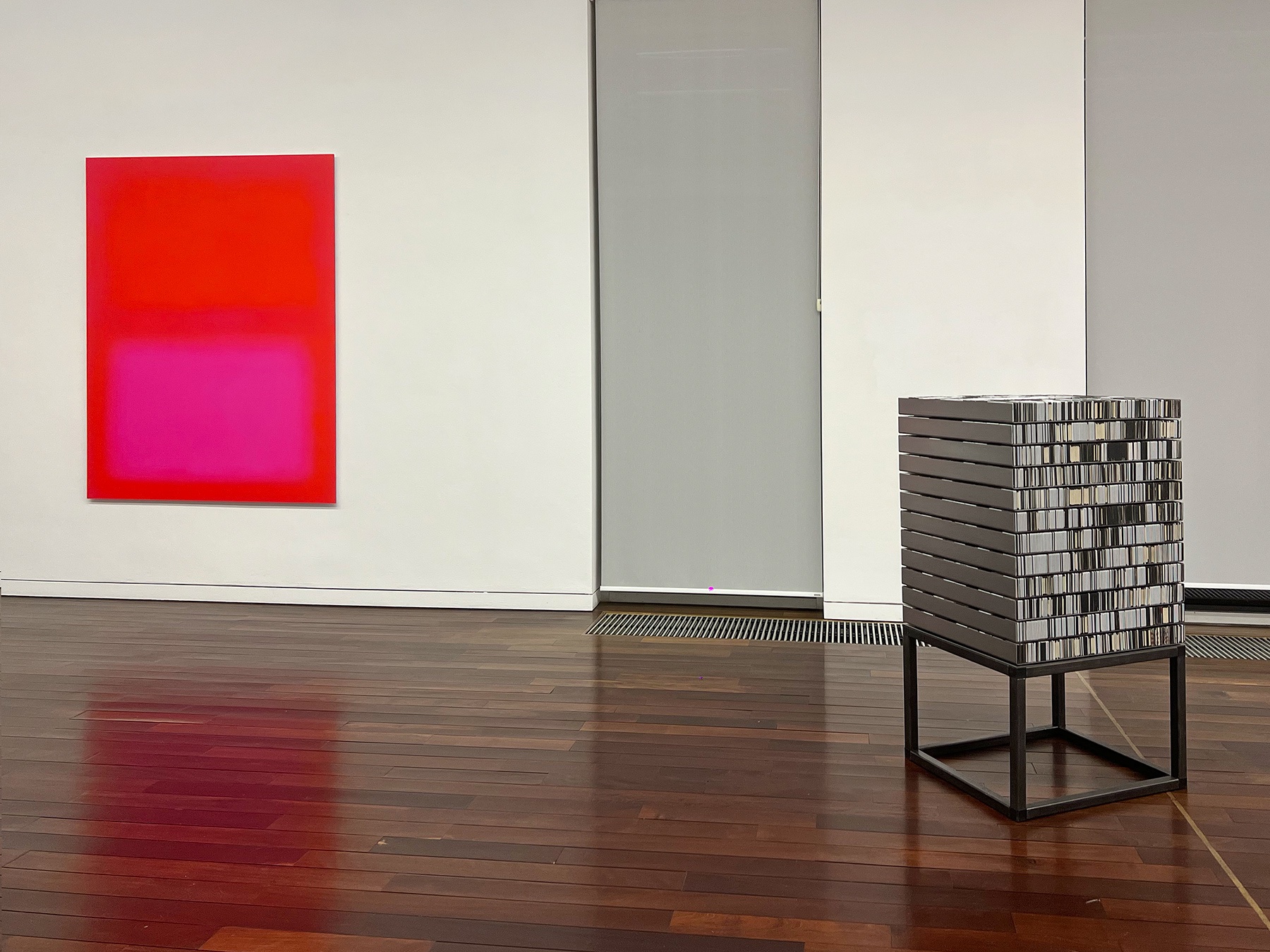
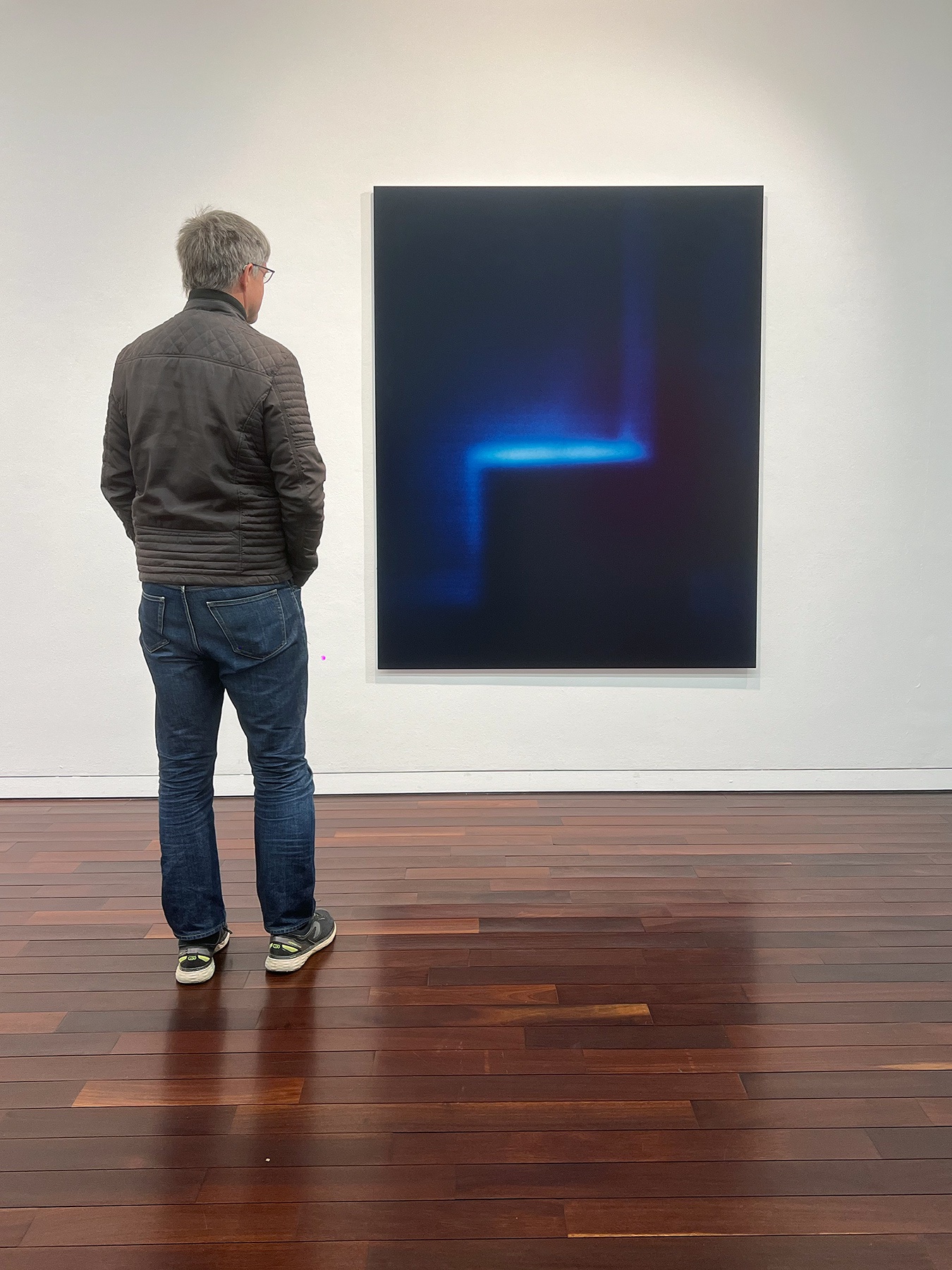
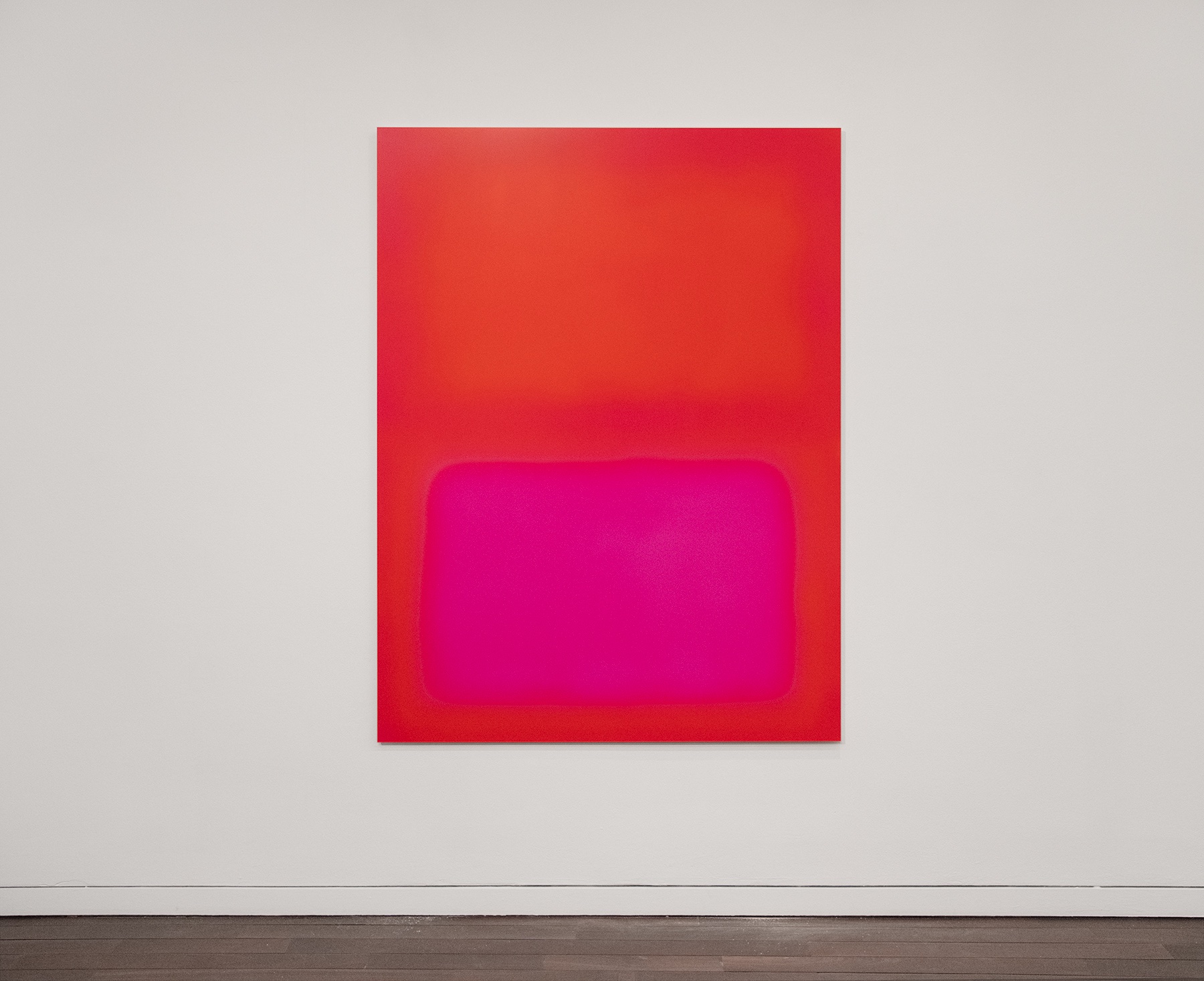
The Forum für Fotografie Köln shows works by Stephan Reusse and Philipp Goldbach in a joint exhibition. The two artists share a photographic position that asks fundamental questions of the medium – about the methods of image production, the temporal and spatial dimensions of photography, its reproducibility and authorship – and in doing so expands the classic camera exposure with alternative means.
Reusse and Goldbach are connected by a personal friendship. It began during their time together at the Academy of Media Arts Cologne, where Stephan Reusse taught photography as an artistic-academic assistant from 2000 to 2006, while Philipp Goldbach studied there from 2001 to 2005 and in 2009 took over the post of artistic-academic assistant in the photography department.
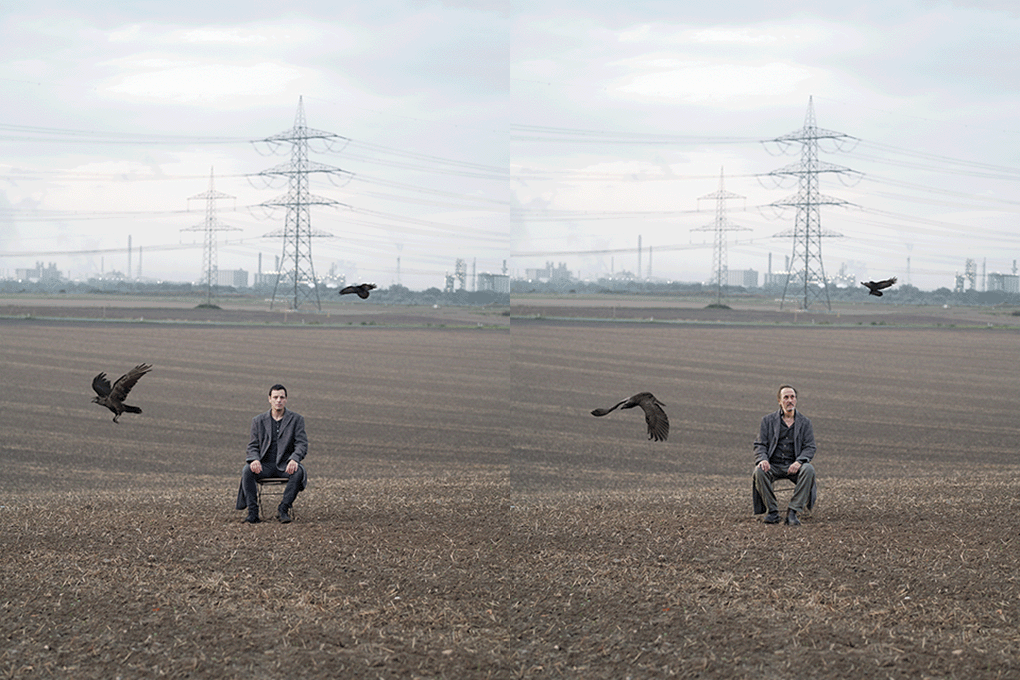
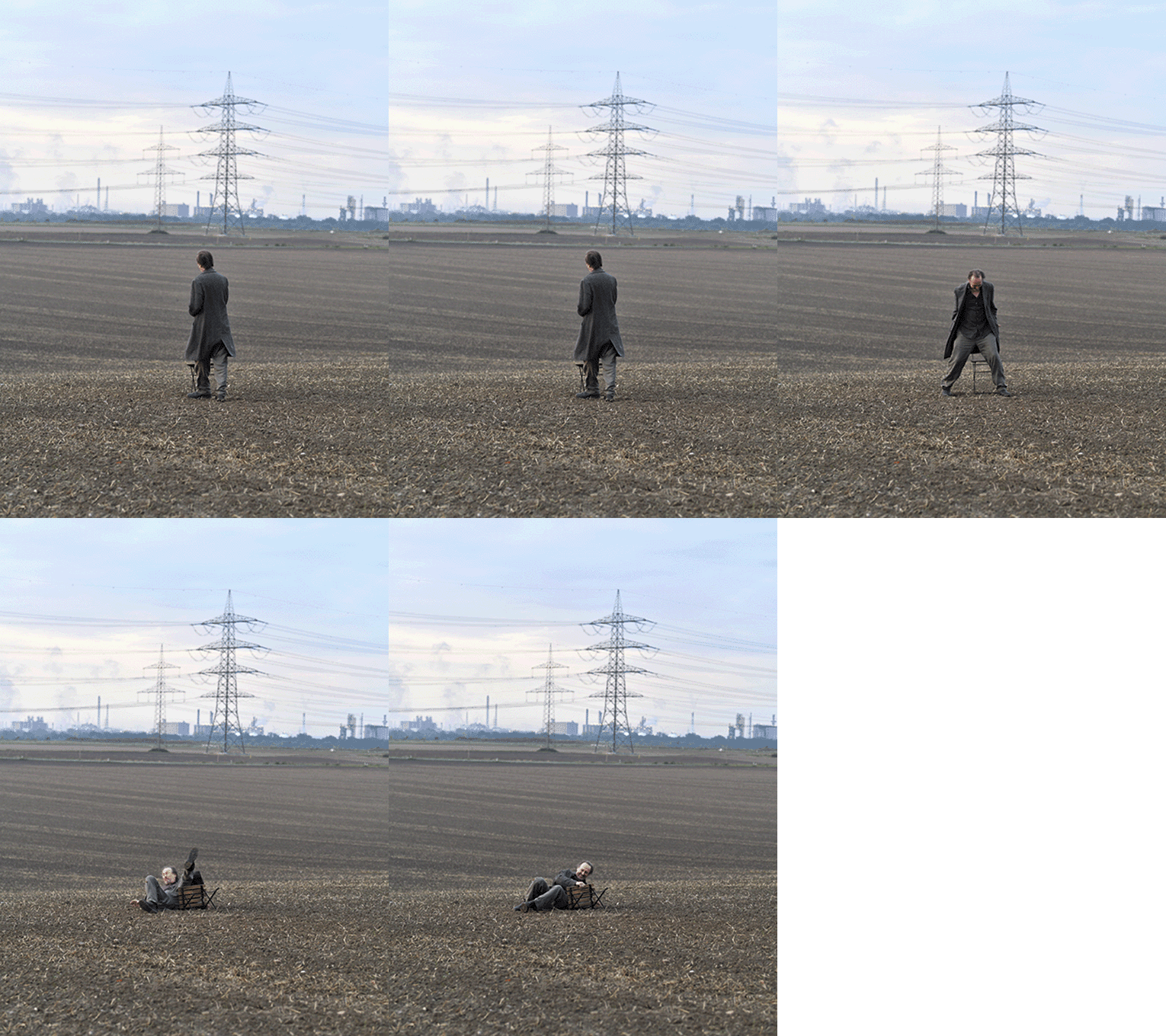
The exhibition documents a dialogue between these artists from two different generations, who, despite their different approaches and attitudes, are marked by an intellectual kinship. As a joint work, a double portrait was created that gives the exhibition its title. “Hugin” (thought) and “Munin” (memory) are the names of Odin’s companion animals: two ravens that fly out to bring news to the one-eyed god.
A shared conceptual approach in the work of Stephan Reusse and Philipp Goldbach lies in their engagement with the work and person of other artists. Their intellectual concepts and formal solutions become the starting point for photographic reflections for both Reusse and Goldbach.
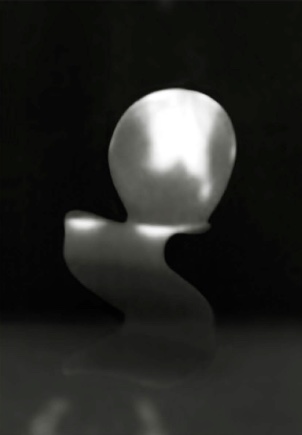
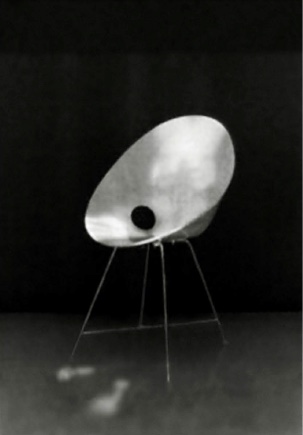
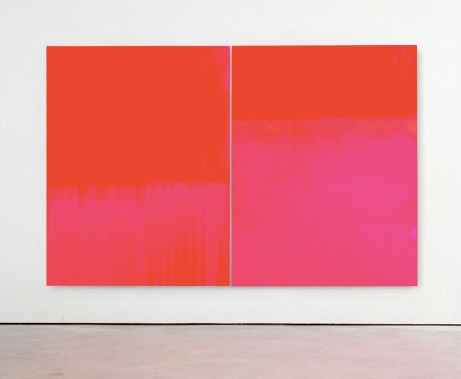
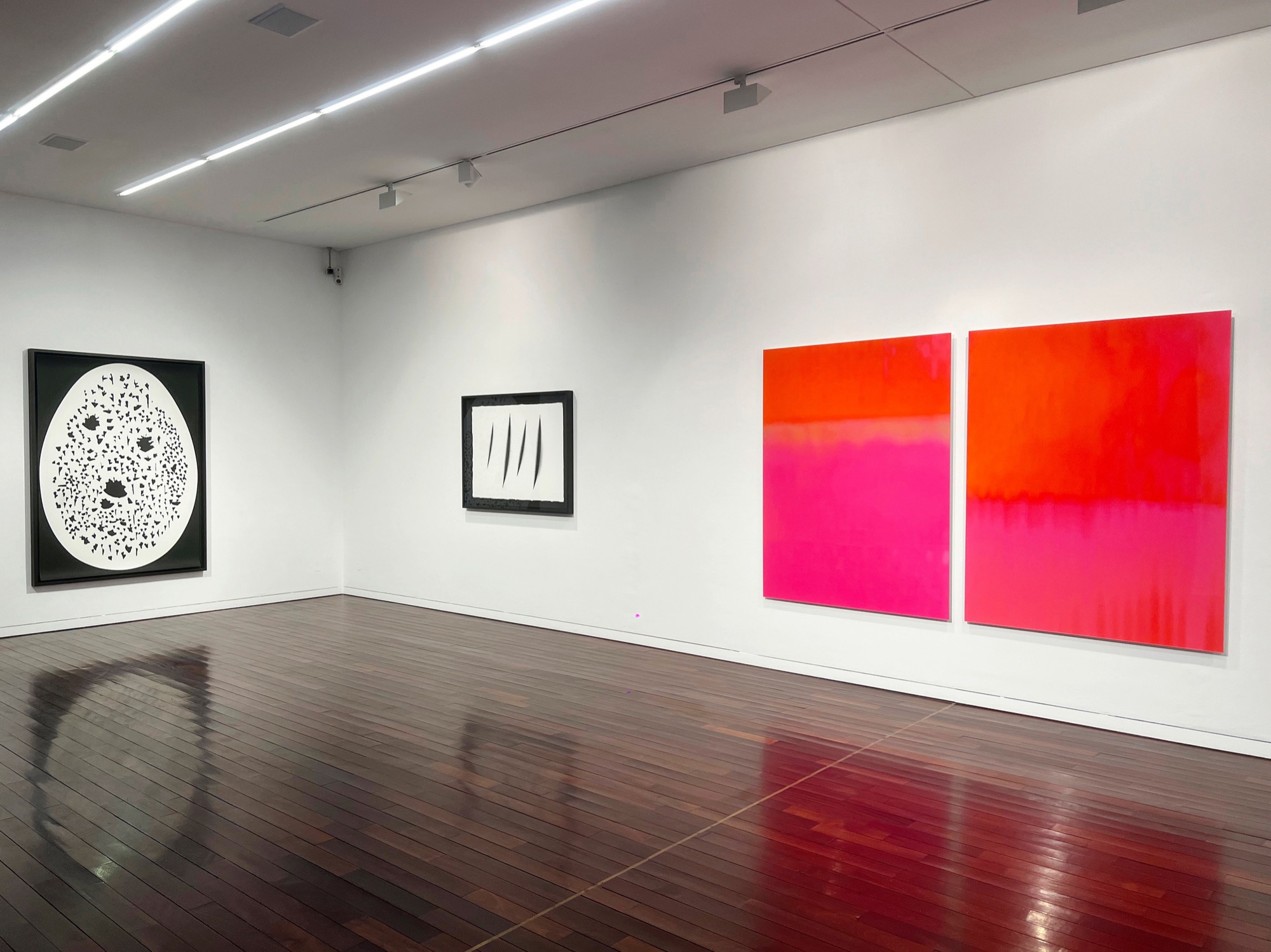
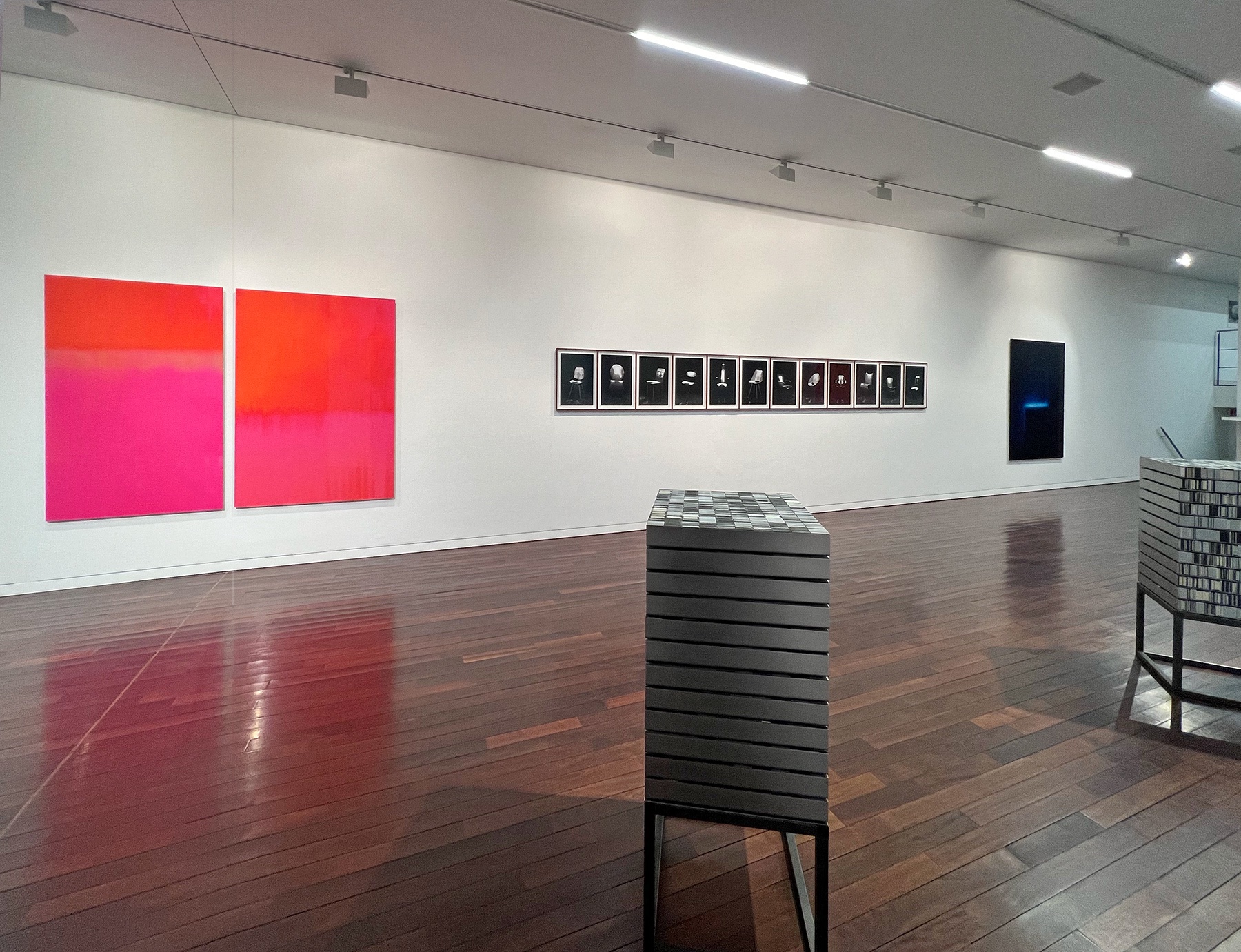
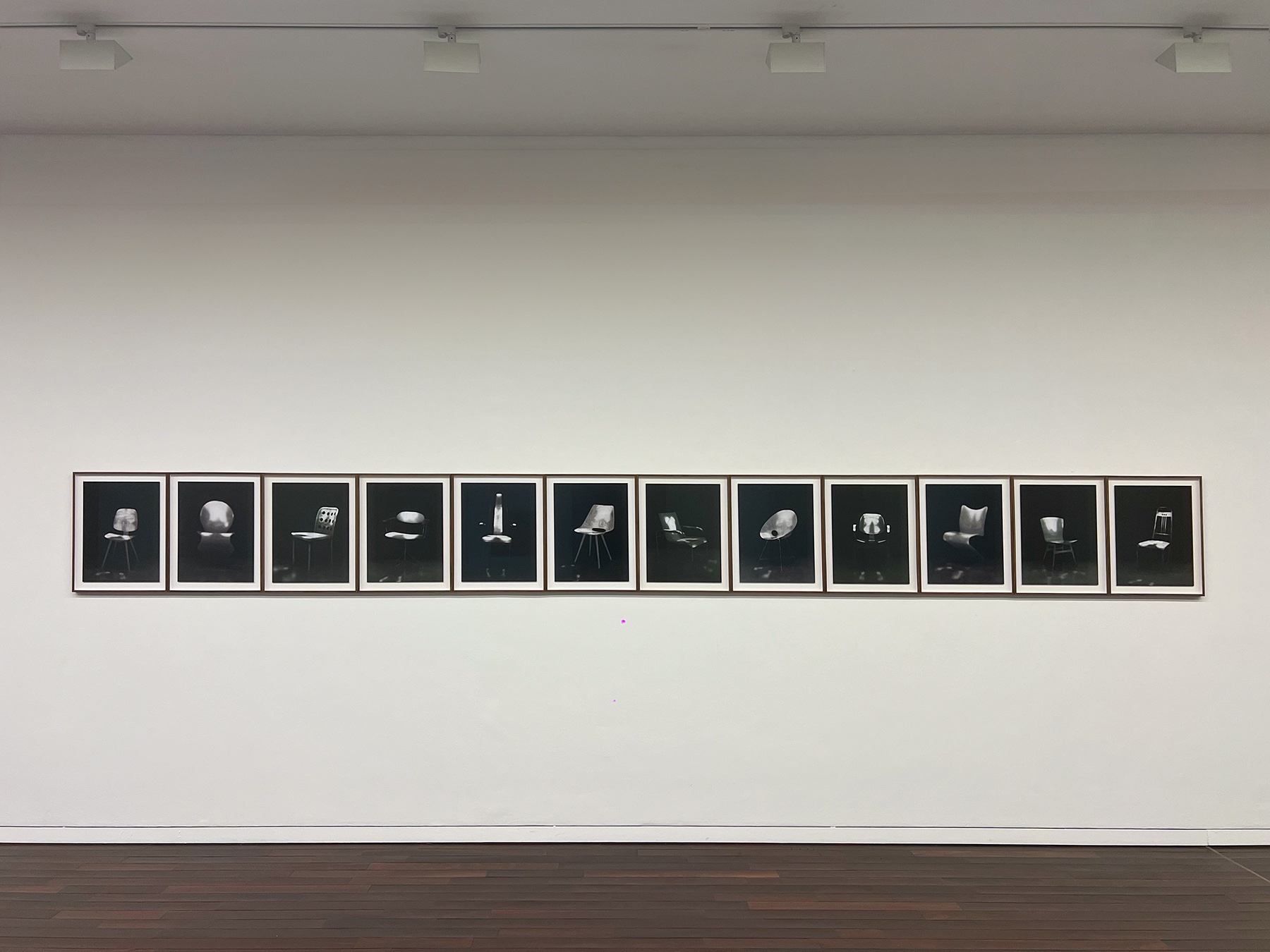
In Stephan Reusse’s “Collaborations”, created since the 1980s, the photographic portrait of an artist is combined with a gesture motivated by the work of the person portrayed – the inscription of a characteristic signature into the jointly produced picture as a dialogical process. In his “Thermographies”, pictures taken with a thermal imaging camera of ice cubes, chairs and walls, among other things, the formal language of artists such as Mark Rothko, Robert Morris or Dan Flavin appears as ghostly residual heat or as traces of cold left by absent objects.
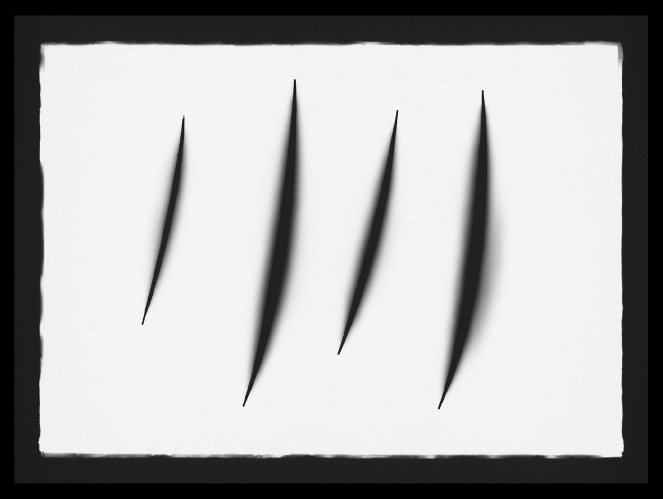
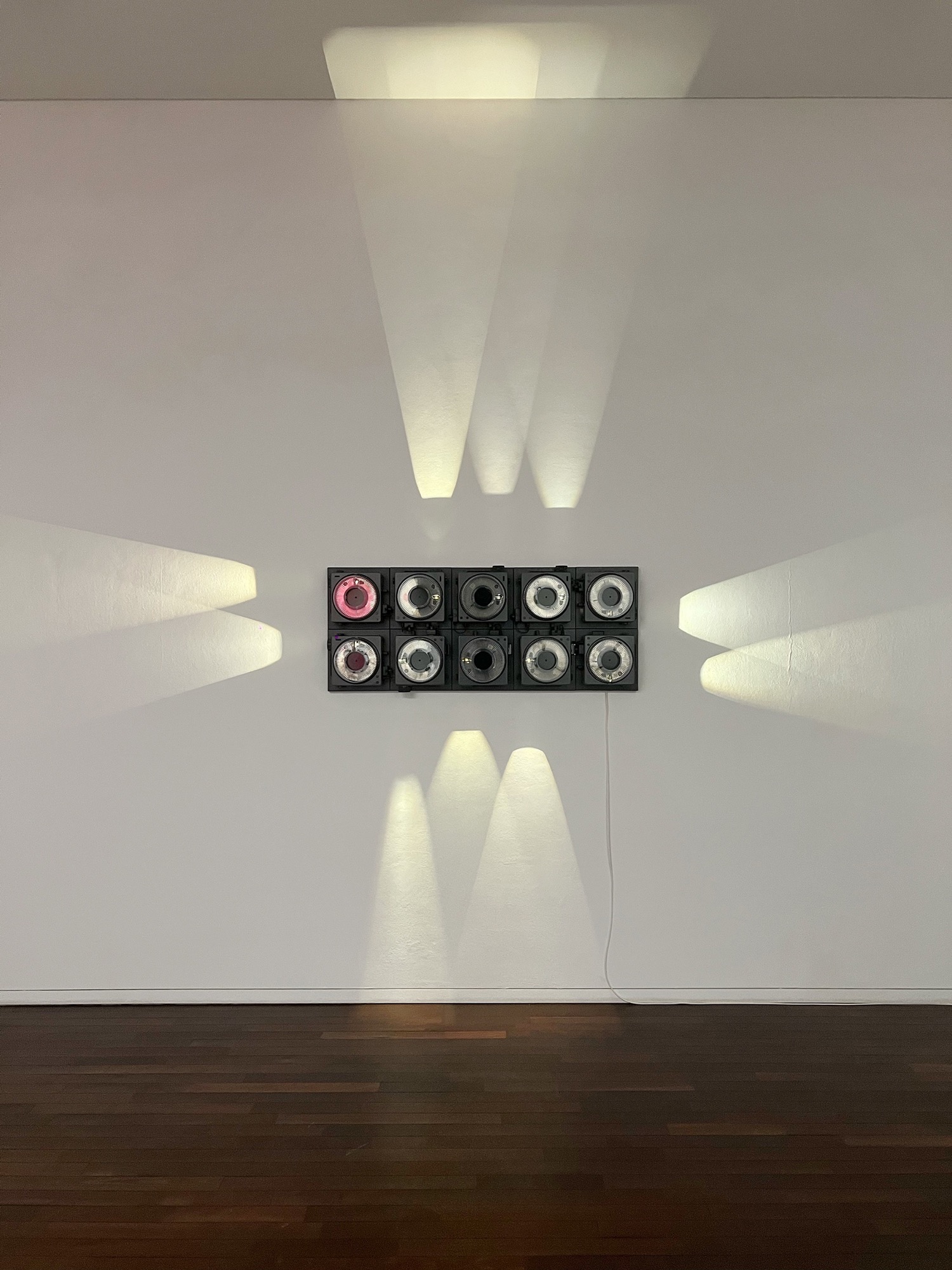
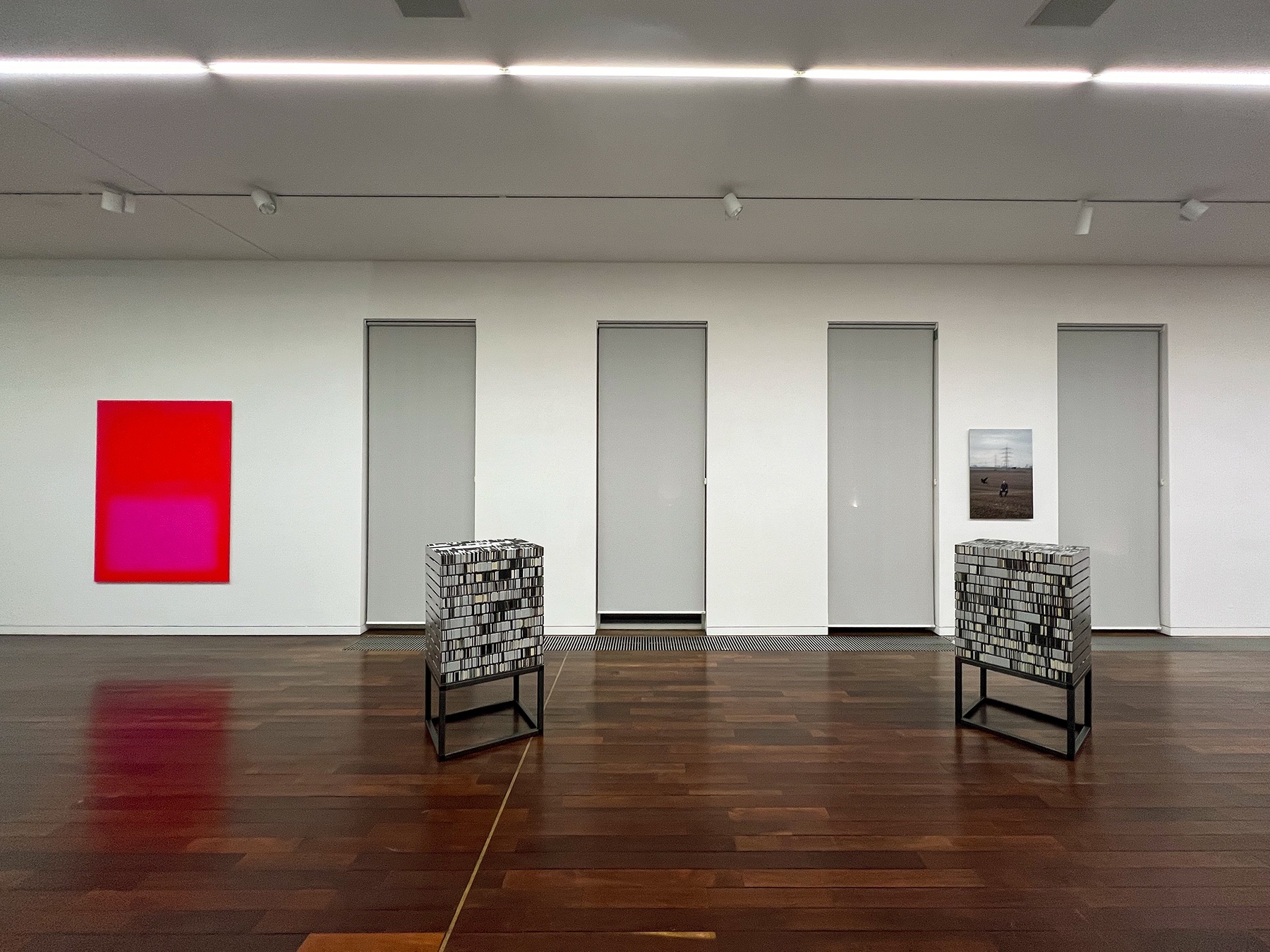
Philipp Goldbach approaches the works of other artists with photographic processes that respond to their specific materiality and content. In collaboration with museums such as the Centre Pompidou in Paris and the Pinakothek der Moderne in Munich, for instance, original works by Lucio Fontana are placed on photographic paper in order to expose the space behind them through their cuts and openings; a text by Lucia Moholy is transcribed word for word in pencil; and complete art-historical slide libraries are transformed into image stores with a digital feel.
Short biographies
In his artistic work, Philipp Goldbach (b. 1978) reflects on the relationship between time, written language and the technical image. His appropriations and recodings of sources from the visual arts and philosophy aim at a history of ideas of storage media, the materiality of information and the physical processes of its inscription. Goldbach studied art with a focus on photography at the Academy of Media Arts Cologne, as well as art history, philosophy and sociology at the University of Cologne, where he received his doctorate in 2016. His awards include the Vordemberge-Gildewart Scholarship (2009) and the ars viva Prize (2011/12). Goldbach taught Film and Photographic Studies at Leiden University (2017–2019). His works are held in the permanent collections of the Museum Folkwang in Essen, the Sprengel Museum Hannover and the Centre Pompidou in Paris, among others.
His work has been shown at, among others: Kunstsammlungen Chemnitz; H2 Zentrum für Gegenwartskunst im Glaspalast Augsburg; Museum Folkwang, Essen; Sprengel Museum Hannover; Bundeskunsthalle Bonn; Kunsthalle Düsseldorf; Centre Pompidou, Paris; Ludwig Forum für Internationale Kunst, Aachen. (www.pgoldbach.de)
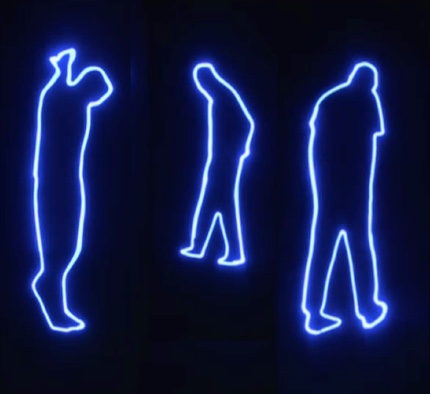
The artistic work of Stephan Reusse (b. 1954) includes conceptual/experimental photographs and thermographies, laser installations, videos, performances and drawings. In his work he mostly proceeds methodically from image theory and links these approaches in terms of content into complex, media-reflexive spaces of action. After training in graphic design, he studied in Harry Kramer’s sculpture class at the Kunstakademie Kassel and then, with a DAAD scholarship, at CalArts (California Institute of the Arts) in Los Angeles under John Baldessari. In 1997 he was a fellow of the Villa Romana in Florence. His works are held in international collections, including the Maison Européenne de la Photographie, Paris; Kunstmuseum Celle; Zentrum für Internationale Lichtkunst, Unna; Pinakothek, Munich; mumok, Vienna; SpallArt Collection, Salzburg; Neue Galerie Graz; and the Städtische Kunstsammlung Graz.
His work has been shown at, among others: mumok – Museum Moderner Kunst Stiftung Ludwig, Vienna; Neue Pinakothek, Munich; Lillehammer Kunstmuseum; Museum Folkwang, Essen; Kunstmuseum Celle; Denver Art Museum; Zentrum für Internationale Lichtkunst, Unna; 21st Century Museum of Contemporary Art, Kanazawa, Japan. (www.stephanreusse.com)